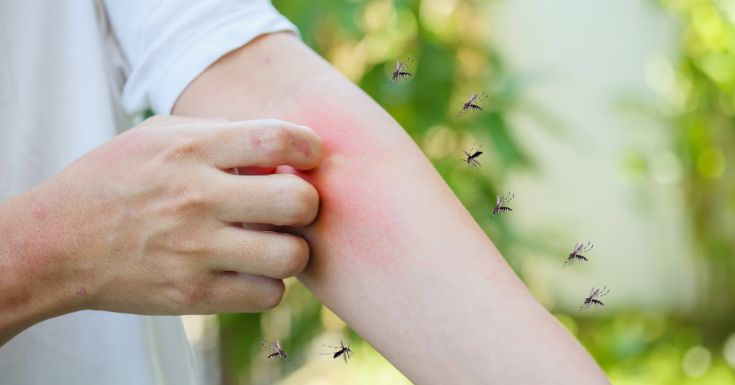
Malaysia’s rainy season brings cooler evenings and welcome relief from the heat, but it can also create ideal conditions for mosquitoes, mould, damp laundry and lingering indoor odours.
Mosquito prevention deserves particular attention because even small amounts of stagnant water can become breeding grounds. The most practical approach is not to depend on one product alone. A combination of physical barriers, targeted repellents and regular household checks usually works better.
So, which mosquito-control products are genuinely useful for Malaysian homes, and which ones may become expensive or inconvenient over time?
Table of Contents
Mosquito Repellents
Mosquito repellents remain one of the easiest ways to reduce bites, especially during the early morning and evening.
Topical sprays and lotions suit people who spend time outdoors, sit near balconies or walk in areas with plants and drains. They are portable and easy to apply, but their protection only lasts for a limited period. Reapplication may be necessary after sweating or washing.
When comparing repellents, consider how the product feels on the skin. Some formulas feel sticky, while others have a strong chemical or herbal scent. Families with children may prefer a gentler-smelling formula, although suitability should always follow the product label.
Plug-in liquid repellents are more convenient for bedrooms and living areas. They work quietly and do not require frequent spraying, but users need to replace the liquid refill or mat regularly.
The main cost is not the device itself. It is the recurring refill expense. Check how many nights one refill lasts and whether the product must remain switched on for several hours before it becomes effective.
Electric Mosquito Traps
Electric traps attract mosquitoes using light, heat, airflow or a combination of these features. Some models use a fan to pull insects into a container, while others use an electrified grid.
They may be useful in enclosed rooms, kitchens, covered balconies or areas where mosquitoes enter regularly. However, results can vary depending on placement and room size.
A small trap may work in a bedroom but struggle in an open-plan living and dining area. Product packaging should state the recommended coverage, although real household performance may differ when doors and windows remain open.
Fan-based traps tend to be quieter and less startling than electric zappers. They also avoid the sharp cracking sound that some people dislike. However, the collection compartment needs regular cleaning, especially if insects build up inside.
Electric traps do not usually have a noticeable smell, which makes them suitable for people who dislike scented repellents. They do require continuous electricity, and their effectiveness may decline if placed near brighter competing lights.
Window and Door Screens
Window screens offer one of the most practical long-term solutions because they stop mosquitoes before they enter the home.
Fixed mesh screens suit windows that remain open for ventilation. Magnetic screens are easier to install and remove, while retractable screens may look neater but cost more.
The mesh should be fine enough to block mosquitoes without restricting airflow too heavily. Poorly fitted screens can leave gaps around the frame, which defeats their purpose.
Screens have no smell, require no refill and can protect an entire room. Their main drawbacks are the initial installation cost and the need for occasional cleaning.
Pet owners should also check whether the mesh is strong enough to withstand scratching or pushing. A loose screen may tear quickly or detach from the frame.
For homes that rely heavily on natural ventilation, screens may offer better value over time than repeatedly purchasing sprays and plug-in refills.
Dehumidifiers
A dehumidifier does not kill mosquitoes directly, but it can help manage dampness, mould and musty odours during long periods of rain.
It is most useful in bedrooms, wardrobes, poorly ventilated rooms and spaces where laundry dries indoors. Larger models can collect several litres of water per day, depending on room humidity.
Room coverage matters. A compact tabletop unit may help inside a small wardrobe or bathroom, but it may not make a noticeable difference in a large bedroom.
Noise level is another factor. Some compressor models produce a steady hum that may disturb light sleepers. The water tank also needs to be emptied regularly unless the unit supports continuous drainage.
Dehumidifiers have a higher upfront price and consume electricity, but they can be more useful than disposable moisture absorbers in consistently damp rooms.
They do not usually produce a strong smell. In fact, reducing excess moisture may help remove the musty odour associated with mould and slow-drying fabrics.
Moisture Absorbers
Disposable moisture absorbers offer a cheaper option for wardrobes, shoe cabinets, cupboards and small storage areas.
They are simple to use and do not require electricity. Most contain crystals that draw moisture from the air and collect liquid in a lower compartment.
Their coverage is limited, so they are not suitable for treating an entire room. They work best in enclosed spaces where air movement is low.
Replacement costs can add up during very humid months. Before purchasing, compare the size of the container, expected lifespan and refill availability.
Some versions contain added fragrance. This may help mask odours, but strong scents can become unpleasant inside a closed wardrobe. Fragrance-free options are better for people who are sensitive to perfume.
Moisture absorbers should be placed securely because the collected liquid can spill if the container tips over.
Covered Water-Storage Containers
Covered water-storage containers are among the simplest forms of mosquito prevention.
Buckets, pails, plant saucers and water-storage tubs can collect rainwater or household water. Even when water appears clean, it may still provide a place for mosquitoes to breed.
Use containers with tight-fitting lids rather than loose covers that leave gaps. Transparent containers can make it easier to check water levels and spot debris.
Covered containers require no electricity, fragrance or refill. They are also inexpensive compared with electronic mosquito-control products.
However, a lid alone is not enough. Containers should still be emptied, scrubbed and refilled regularly because mosquito eggs may remain attached to the inner walls.
Do not overlook less obvious water traps such as clogged drains, folded tarpaulins, umbrella stands, pet bowls, air-conditioner trays and plant pots.
Which Products Offer the Best Value?
For most Malaysian homes, window screens and covered water containers offer the best long-term value because they prevent mosquitoes from entering or breeding without creating ongoing refill costs.
Plug-in repellents are useful for bedrooms, especially at night, while topical repellents suit outdoor use and short periods of exposure.
Electric traps may provide extra support, but they should not replace physical barriers or regular checks for standing water.
Dehumidifiers and moisture absorbers solve a different part of the rainy-season problem. They help control dampness, mould and indoor odours rather than mosquitoes. A dehumidifier suits frequently damp rooms, while moisture absorbers work better in cupboards and wardrobes.
A Practical Rainy-Season Routine
Start by walking through the home once or twice a week and checking for collected water. Empty plant saucers, clean drains and keep storage containers covered.
Inspect window and door screens for gaps or tears. Use plug-in or topical repellents in areas where mosquitoes remain active.
Dry wet towels and clothing as quickly as possible. Run a dehumidifier in damp rooms or place moisture absorbers inside enclosed storage spaces.
No single product can protect the whole home. The most practical setup combines prevention, barriers and targeted products based on the size and layout of the space.
Before buying another mosquito gadget, ask one question: does the product solve the source of the problem, or does it only reduce the symptoms for a few hours?