by Family Doctor Kam San Dhit, Alpro Clinic
Since the 2019 pandemic, public perception of infectious diseases has undergone a significant transformation. While some segments of the population maintain heightened vigilance regarding hygiene, others have developed a degree of “information fatigue,” often opting for a reliance on natural immunity. However, the global healthcare landscape has shifted permanently, necessitating a fact-based approach to emerging viral threats.
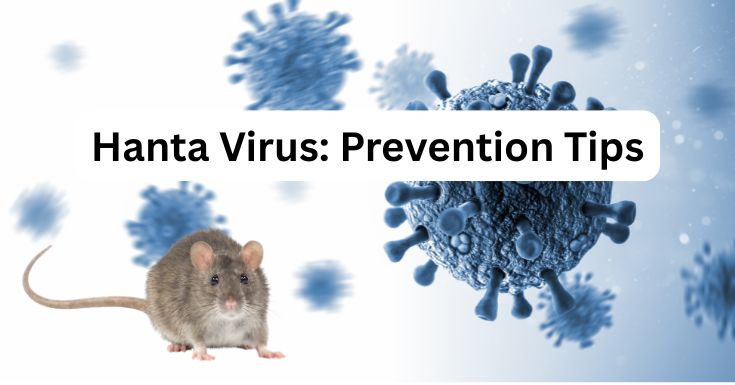
The recent Hantavirus outbreaks reported globally serve as a critical case study in modern infectious disease management and community preparedness.
Table of Contents
The Current Landscape: Why Hantavirus Matters
In May 2026, international health authorities reported Hantavirus clusters linked to travel and maritime environments. While these events originated outside Malaysia, the relevance to the local context is significant.
In Malaysia, Leptospirosis (kencing tikus) is an endemic concern. Hantavirus presents a similar public health challenge as both are rodent-borne. As urbanization and climate shifts alter rodent habitats, the risk of human exposure to contaminated “micro-dust” (saliva, urine, and droppings) increases.
Understanding this virus is essential for early detection and the prevention of local transmission.
Myth vs. Fact: Understanding the Risks
| Myth | Fact |
| Hantavirus is spread from person to person like Covid-19 | Most Hantavirus strains are not contagious between humans. Infection occurs almost exclusively through contact with rodent waste or inhaling aerosolized dust from contaminated areas. |
| You can only get infected if a rat bites you. | Bites are rare. The most common route of infection is breathing in “micro-dust” while cleaning dusty storerooms, attics, or abandoned buildings. |
| Hantavirus is the same as Leptospirosis. | They share similar hosts (rats), but Leptospirosis is bacterial and treatable with antibiotics. Hantavirus is viral, requires different diagnostic markers, and does not respond to antibiotics. |
| “Natural immunity” is enough to protect against Hantavirus. | Hantavirus can lead to Hantavirus Pulmonary Syndrome (HPS), a severe respiratory condition that can affect even healthy individuals. Medical intervention is necessary. |
Clinical Presentation: Signs and Symptoms
Hantavirus typically manifests in two distinct stages. Early recognition by the public is the first line of defense.
- Early Phase (Days 1–5): Characterized by high fever, severe myalgia (particularly in the large muscle groups of the thighs, hips, and back), and profound fatigue. Secondary symptoms may include dizziness, headaches, and gastrointestinal distress.
- Late Phase (Respiratory Distress): If the infection progresses to Hantavirus Pulmonary Syndrome (HPS), patients experience a sudden onset of shortness of breath and a persistent cough. This indicates fluid accumulation in the lungs and requires immediate medical
intervention.
Diagnostic Protocol in Primary Care
When a patient presents with suspicious symptoms, the diagnostic approach in a family medicine setting follows a rigorous clinical “detective” process:
- Environmental History: A critical assessment of recent exposure to dusty environments, such as storerooms, garages, or attics where rodent activity is suspected.
- Laboratory Markers:
○ Thrombocytopenia: A notable drop in platelet counts.
○ Hemoconcentration: A significant rise in hematocrit levels, indicating vascular leakage (plasma loss into the tissues).
○ Leukocytosis: An elevation or shift in white blood cell counts. - Confirmatory Testing: The use of PCR (Polymerase Chain Reaction) to detect viral genetic material or serology to identify specific IgM and IgG antibodies.
- Radiology: Chest X-rays are utilized to identify early signs of pulmonary edema or fluid buildup in the lungs.
Practical Prevention: The “Wet Method”
Management of the domestic environment is the most effective way to reduce risk. Medical professionals recommend the following practical steps:
- Eliminate Dry Sweeping: Never sweep or vacuum areas where rodent droppings are present. This aerosolizes the virus, making it easy to inhale.
- Disinfection Protocol: Use a disinfectant or a bleach-water solution (1:9 ratio). Spray the area thoroughly and allow it to soak for at least 5 minutes before cleaning with a damp cloth.
- Structural Maintenance: Seal entry points in kitchens and storerooms. Rodents can bypass gaps as small as a 10-cent coin.
Clinical Conclusion: The Role of Health Optimization
The objective of modern primary care is to shift from reactive treatment to proactive health optimization. A body with well-managed baseline health, controlled blood pressure, stable glucose levels, and optimal nutrition, is significantly more resilient against infectious stressors.
In the current healthcare landscape, regular health screenings are not merely a precaution; they are a strategy to ensure the body is not a “vulnerable host.”
If you or your family members suspect any symptoms are amiss, or if there has been potential exposure to rodent-contaminated environments, please consult your family doctor immediately. Early clinical assessment remains the most vital factor in successful recovery.
Resources & References:
- World Health Organization (WHO): Hantavirus Disease Dashboard and Multi-country Outbreak Reports (May 2026).
- Ministry of Health (MOH) Malaysia: Clinical Guidelines on Zoonotic Disease Surveillance.
- Centers for Disease Control and Prevention (CDC): Hantavirus Pulmonary Syndrome: Clinical and Laboratory Diagnosis.
- MSD Manual (Professional Version): Hantavirus Infection: Pathophysiology and Supportive Care.