You hit the treadmill a few times a week. You occasionally swap your morning nasi lemak for oats. You’re doing everything right to protect your heart… or so you think.
This World Heart Day, cardiologists and health experts in Malaysia are sounding the alarm: for people at high risk of cardiovascular disease, a healthy lifestyle alone simply isn’t enough to keep a heart attack or stroke at bay.
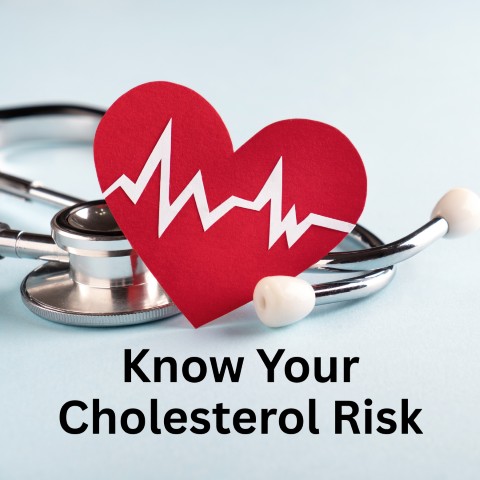
The hidden culprit? Uncontrolled Low-Density Lipoprotein Cholesterol (LDL-C)—commonly known as “bad cholesterol.”
Table of Contents
The 80/20 Cholesterol Shock

From left: Ms Celeste Lau, Assistant Director, Dietetics; Dr Lim Bee Chian, Consultant Cardiologist; and Ms Nathalie Goh, Physiotherapist, at the Sunway Medical Centre x Novartis Malaysia Keep it Low, Keep it Stable media roundtable.
Here is a biological fact that surprises most people: your diet doesn’t dictate all of your cholesterol. In reality, your liver acts as a cholesterol factory, producing about 80% of the cholesterol in your bloodstream. The remaining 20% comes from the food you eat.
Dr. Lim Bee Chian, a Consultant Cardiologist at Sunway Medical Centre, notes that because of this biological hardwiring, genetics and underlying health factors can continue to drive your LDL-C dangerously high, regardless of how clean your diet is.
This is a massive blind spot for Malaysians. Currently, 1 in 3 Malaysian adults (about 7.6 million people) live with high cholesterol. Even scarier? Around half of them have no idea because high cholesterol has zero symptoms. It is a silent condition that slowly builds plaque in the arteries, often remaining undetected until a major cardiovascular event occurs.
The Goal: Keep It Low, Keep It Stable
If you have existing risk factors—like diabetes, high blood pressure, obesity, or a previous heart attack—you need a personalized, aggressive target for your LDL-C.
For high-risk individuals, medical guidelines suggest keeping LDL-C levels below 1.8 mmol/L. Hitting this specific number has been shown to slow down, stabilize, or even reverse dangerous plaque buildup in the arteries.
But getting there requires more than just good intentions. It requires the Heart Health Trifecta, a three-pillared approach highlighted at the recent Keep it Low, Keep it Stable media roundtable in Kuala Lumpur. Missing even one of these pillars leaves your heart exposed.
1. Diet: Consistency Over Complexity
Heart-healthy eating doesn’t require a miserable, highly restrictive diet. Ms. Celeste Lau, Assistant Director of Dietetics at Sunway Medical Centre, advises focusing on small, realistic daily swaps to reduce saturated fats. Building eating habits you can actually sustain for years is what drives meaningful improvement in metabolic health.
2. Exercise: Purposeful Movement
Physical activity needs to be tailored to your current health, but it should safely elevate your heart rate. Ms. Nathalie Goh, a Physiotherapist, points out that experiencing mild breathlessness during exercise is actually a good sign—it means your cardiovascular system is working. Whether it’s a supervised rehab program, line dancing, or brisk walking, the secret sauce is consistency, not extreme intensity.
3. Medical Treatment: The Missing Puzzle Piece
For high-risk individuals, diet and exercise will likely hit a ceiling thanks to the liver’s natural cholesterol production. This is where medical intervention becomes non-negotiable.
The treatment landscape has evolved dramatically. Beyond traditional statins, doctors now have advanced tools—including ezetimibe, PCSK-9 inhibitors, and innovative RNA-based therapies—to help patients who struggle to reach their LDL-C targets. Seeking specialist-led care ensures you get the exact right tool to drive that bad cholesterol down and keep it there.
Don’t Guess Your Risk
As Sanjeev Balachandran from Novartis Malaysia emphasizes, managing heart disease requires a completely holistic approach, and the current statistics show that the status quo isn’t working. We need to actively empower ourselves to lower our cholesterol to recommended targets and keep them stable over the long haul.
Your Next Step: Don’t wait for a symptom that might never come. Find out exactly where you stand by visiting the Unblocked Movement to check your individual cardiovascular risk and discover your ideal LDL-C target. Then, take those results to your doctor and build a long-term strategy that actually protects your heart.